
Venture Climate Alliance

Manage risk,
seize opportunity.

Enabling climate-aligned value creation from inception to scale

The VCA equips venture firms with practitioner-built frameworks, resources, intelligence, and opportunities to navigate the climate transition.

80+
Member firms worldwide
73%
Of LPs now expect climate strategy from their GPs
3
Focus areas, refreshed every year

Why VCA

By venture capital,
for the teams
we invest in.

Practical tools for a transition that's already underway.

Whether you're a generalist fund or investing exclusively in climate solutions, managing climate-related risk and opportunity is now core to good investing. The VCA equips member GPs and their portfolio companies with voluntary, practitioner-built resources, support, and opportunities to navigate the climate transition and build durable category leadership — from day one.

See All Resources

Climate risk is investment risk.

73% of LPs now expect climate strategy from their GPs. The question isn't whether to act — it's how to do it well, with or without a dedicated sustainability team.

Focus Areas

What we're focused on.

Each year, the VCA concentrates its resources on the areas where venture investors can have the greatest impact. Here's where we're putting our weight.

Close detail of a circuit board, representing climate technology hardware
202601

Climate Tech Scaling

Market intelligence, guidance, and key connections for scaling climate tech infrastructure, including sector-specific scaling pathways, capital stack and market guides, and ecosystem programming.

  • 01Sector-specific scaling resources and portfolio company feedback workshops
  • 02Market intelligence on climate tech capital stack and growth markets
  • 03Connections to key partners and illustrative case studies

Hundreds of climate technologies have been proven at pilot scale. Few make it to commercial deployment. The gap between a working prototype and a bankable project — what the industry calls the "missing middle" — is where promising ventures stall, not because the technology fails, but because the scaling infrastructure doesn't exist yet.

The capital stack is fragmented. Project finance terms are unfamiliar to venture-backed teams. Regional market dynamics vary wildly. And most founders are navigating this transition for the first time, without a playbook. The VCA's Climate Tech Scaling pillar exists to close that gap.

Sector-Specific Scaling Pathways

Not every climate technology scales the same way. A direct air capture company faces fundamentally different challenges than a grid software platform or an alternative protein producer. Our scaling pathways are tailored by sector, mapping the critical milestones, capital requirements, and partnership models that define the journey to first commercial deployment.

Each pathway draws on real experience from VCA member firms and ecosystem experts that have guided portfolio companies through these transitions — not theory, but pattern recognition from practitioners who've done it before.

Capital Stack Guide

Venture capital alone doesn't scale hardware. Climate tech companies need project finance, infrastructure debt, tax equity, government grants, and strategic corporate capital — often simultaneously. Our Capital Stack Guide helps founders understand the capital sources available and provides a database of completed deals.

The guide is designed to be shared directly with portfolio company CFOs and fundraising leads, better preparing them for conversations with non-venture capital providers.

Growth Market Guides

Scaling increasingly means scaling internationally. Our regional guides cover emerging climate tech markets including India, Singapore, the GCC, and select European markets — mapping the economic incentives, regulatory landscapes, key partners, and infrastructure readiness that determine whether a market is ready for a given technology.

These guides are built with input from VCA members with on-the-ground experience in each region, supplemented by local policy and industry intelligence.

Ecosystem Convenings

Scaling doesn't happen in a pitch deck. It happens in rooms where founders meet project developers, where GPs meet infrastructure lenders, and where policymakers hear directly from the companies building the future grid, supply chain, or food system.

The VCA hosts focused convenings designed to create these connections — not broad networking events, but curated sessions organized around specific scaling challenges with the right people in the room.

Why This Matters

The climate transition isn't waiting for perfect conditions. Technologies that can't scale fast enough will be displaced by incumbents that can. The VCA's scaling pillar gives member firms and their portfolio companies a structural advantage — the intelligence, relationships, and frameworks to move from proven technology to market impact faster than they could alone.

This pillar is delivered as part of the Innovation Scaling Initiative (ISI), a two-year program philanthropically funded by HSBC.

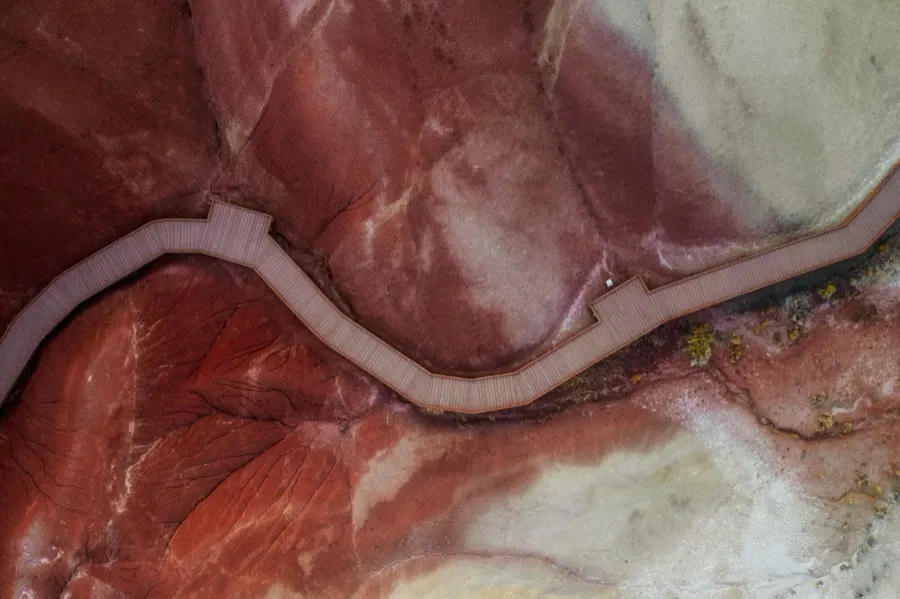
Red rock mountain ridge wreathed in cloud
202502

Policy Engagement

Policy support for climate-aligned portfolio companies, including curated resources, webinars, and connections to engagement opportunities.

  • 01Congressional fly-ins
  • 02Policy briefing webinars
  • 03Narrative and engagement support

Policy shapes the markets climate tech companies enter. Tax credits determine unit economics. Permitting timelines determine deployment speed. Trade policy determines supply chain viability. For venture-backed companies operating at the frontier of energy, transport, agriculture, and industrials, policy isn't background noise — it's a core variable in whether a company reaches scale or stalls.

Most GPs know this. Few have the bandwidth or infrastructure to act on it. The VCA's Policy Engagement pillar gives member firms and their portfolio companies access to intelligence, ecosystem programming, support, and engagement opportunities.

Congressional Fly-Ins

The VCA organizes thematic fly-in programs that bring portfolio company founders and GP representatives to Washington for direct engagement with Congressional offices. Recent programs have focused on critical minerals supply chains, grid modernization, and industrial decarbonization.

Each fly-in is structured around a specific policy theme, with pre-briefings, curated meeting schedules, and follow-up coordination. Founders don't just show up — they arrive with context, data, and talking points tailored to the offices they're meeting.

Policy Briefing Webinars

The VCA connects members and portfolio companies with regular briefings on policy developments that affect climate tech companies. These are concise, practitioner-focused sessions — not academic overviews — covering what changed, what it means for portfolio companies, and what GPs should be advising their founders to do. Recent topics have included evolving tax credit guidance and permitting reform.

Why This Matters

Venture-backed companies are building the technologies that federal policy is trying to accelerate. But the connection between innovators and policymakers is often weak, ad hoc, or mediated by trade associations that don't speak the language of venture capital.

The VCA bridges that gap. Our member firms don't just react to policy — they help shape the environment their portfolio companies operate in. That's not lobbying. It's smart portfolio management.

When a fly-in connects a founder with the Senate office drafting critical minerals legislation, and that founder's company is building the exact supply chain the legislation aims to support, everyone benefits. The founder gets visibility. The policymaker gets ground truth. And the GP's portfolio gets a structural tailwind that no amount of product-market fit alone can provide.

Aerial view of a river winding through banded red and white sediment
202403

Climate Strategy & Disclosure

Practitioner-built frameworks for assessing, tracking, and communicating your portfolio's climate positioning. Designed for lean investment teams.

  • 01Portfolio Alignment Framework and Climate Solutions Framework
  • 02Implementation guidance and reporting tools
  • 03Templates for LP communications and disclosures

Every venture firm has a climate narrative now. Few have a framework behind it. LPs are asking sharper questions. Regulatory disclosure requirements are expanding across jurisdictions. And portfolio companies are fielding climate-related diligence from customers, partners, and acquirers earlier than ever.

The gap between "we care about climate" and "here's our structured approach with data" is where credibility lives. The VCA's Climate Strategy & Disclosure pillar gives member firms the tools to close that gap — not with overhead, but with practitioner-built frameworks designed for how venture capital actually works.

Portfolio Alignment Framework

The Portfolio Alignment Framework (PAF) is the VCA's flagship tool for GPs. Developed collaboratively by industry-leading venture investors and informed by LP expectations, the PAF provides a structured methodology for assessing and communicating the climate positioning of a venture portfolio.

Unlike institutional frameworks designed for public equities or infrastructure, the PAF is built for the realities of venture: limited data, early-stage companies, rapid portfolio turnover, and the need to balance climate ambition with commercial pragmatism. It gives GPs a credible, consistent way to engage with stakeholders on climate without creating a reporting burden that overwhelms a lean investment team.

Climate Solutions Framework

Not every portfolio company is a "climate company," but many are building products and services that contribute to decarbonization, adaptation, or resource efficiency — often without framing it that way. The Climate Solutions Framework helps GPs identify and categorize these contributions across their portfolio, providing a structured lens for recognizing climate-relevant value creation even in generalist funds.

Implementation Guidance

A framework is only useful if a team can actually implement it. Our implementation guidance walks investment teams through the process of adopting the PAF and Climate Solutions Framework — from initial portfolio assessment to ongoing tracking and LP reporting. It includes decision trees, worked examples, and common pitfalls based on the experience of member firms who've already gone through the process. The guidance is designed to be usable by a single associate or principal, without requiring a dedicated sustainability hire.

Reporting Tools & Templates

The VCA provides standardized reporting templates for climate disclosure, aligned with the PAF and designed to be compatible with common LP reporting formats. These templates reduce the friction of annual climate reporting from a multi-week project to a structured update that builds on data the firm is already tracking.

Why This Matters

Climate disclosure is moving from voluntary to expected — and in some jurisdictions, to required. Firms that build their strategy and reporting infrastructure now will have a structural advantage over those scrambling to comply later. But the VCA's approach isn't about compliance. It's about clarity.

The frameworks in this pillar were built by the GPs who use them. That's not a marketing claim — it's the design principle. If it doesn't work for a three-partner fund with no sustainability team, it doesn't ship.

Resources

By VC, for VC and the teams we invest in.

Practitioner-built frameworks, guides, and templates developed by VCA members — available to GPs and the portfolio companies they back.

Turquoise coastal water seen from above
Innovation Scaling Initiative

Singapore Climate Technology Ecosystem Guide

Practical intelligence for climate technology companies scaling across Southeast Asia

25 min read  ·  Published Jun 16, 2026

Singapore has emerged as a strategic platform for climate technology commercialization, bringing together capital, policy support, corporate demand, and regional connectivity within a highly coordinated ecosystem. While many deployment opportunities exist across Southeast Asia, Singapore serves as a hub for financing, partnership development, market validation, and regional expansion.

Developed through the VCA's Innovation Scaling Initiative, with philanthropic support from HSBC, this guide helps climate technology companies and investors evaluate Singapore as a platform for growth.

What you'll learn

  • Why Singapore has become a leading climate technology and sustainable finance hub
  • How to access capital across the climate technology scaling journey
  • Key policy, regulatory, and market conditions shaping innovation and deployment
  • Pathways to pilot, commercialize, and scale climate solutions
  • How Singapore connects companies to deployment opportunities across Southeast Asia
  • Lessons and insights from ecosystem leaders, investors, corporates, and founders

Engage directly with the guide through an AI-powered chat experience trained on the report's content. Whether you're a founder, investor, corporate, or ecosystem stakeholder, the VCA Growth Market Series Agent (Beta) can help you quickly explore insights relevant to your company, technology, or investment focus.

Glacial river braiding across a mountain valley
Climate Tech Scaling

Innovation Scaling Initiative

Philanthropically funded by HSBC, the ISI delivers scaling pathways, market intelligence, capital stack guidance, and ecosystem convenings to accelerate climate tech commercialization. Launched 2026.

The ISI is the VCA's flagship two-year program focused on one of the most critical bottlenecks in the climate transition: moving proven technologies from pilot to commercial deployment. It targets the "missing middle" — the stage where climate technologies have demonstrated technical viability but lack the capital structures, market intelligence, and institutional partnerships required to scale.

Pillar 1 — Scaling Pathways & Case Studies. Sector-specific scaling pathways that map key milestones, capital requirements, regulatory thresholds, and partnership models defining the journey from Series B to first commercial deployment, alongside implementation-focused case studies and deployment workshops.

Pillar 2 — Capital Stack & Market Intelligence. The Capital Stack Guide provides clear expectations, structures, and entry points for each capital provider type. Regional Market Guides cover emerging climate tech markets including India, Singapore, and the GCC.

Pillar 3 — Ecosystem Convenings & Coordination. Focused, invitation-only convenings where founders meet project developers, GPs engage with infrastructure lenders, and policymakers hear directly from companies building the future grid, supply chains, and food systems.

The initiative was publicly launched at San Francisco Climate Week in April 2026.

Aerial view of a river meandering through dense green wetland
Climate Tech Scaling

Climate Solutions Framework

A roadmap of impact practices that help climate solutions companies grow revenue, manage risk, and secure funding by linking impact to business strategy. Designed for portfolio companies and the GPs who back them.

The CSF is the VCA's second major framework, a companion to the Portfolio Alignment Framework. While the PAF focuses on managing venture portfolios in alignment with net zero, the CSF is specifically for climate solutions companies — startups whose products or services directly deliver or contribute to positive climate outcomes.

It was developed over six-plus months by the VCA Climate Solutions Methodology Working Group, with input from B Capital, Clean Energy Ventures, Eka VC, Energy Impact Partners, Future Energy Ventures, Galvanize, Just Climate, PRIME, Princeville Capital, S2G, World Fund, and 2150, drawing on guidance from GIIN, Impact Frontiers, Mission Innovation, Project Frame, IIGCC, Project Drawdown, and WBCSD. Version 1.0, May 2025.

The framework organizes impact practices across four dimensions — Define, Integrate, Measure, and Mitigate — phased across four stages of commercialization:

Ideation. Business idea or early prototype, typically pre-seed or seed. Articulate the contribution to climate outcomes, identify metrics, estimate the scale of the problem, and identify potential unintended consequences.

Validation. Pilot products and product–market fit, typically Series A–B. Assess stakeholder priorities, integrate impact into the business plan, establish initial impact governance, estimate unit-level impact against a baseline, and identify impact risks including rebound effects and lock-in.

Traction. Product launched and generating revenue, typically Series B–C. Establish robust data collection, calculate impact annually on actual production and sales, and actively manage identified impact risks.

Scaling. Growing revenue and long-term viability, typically growth equity or preparing for acquisition. Formalize impact reporting to the board, communicate externally, and align methodologies with standards such as the GHG Protocol or ISO.

Five design principles underpin it: support commercial value, encompass multiple impact pathways, mature practices alongside growth, harmonize investor engagement, and ensure interoperability with existing guidance.

Aerial view of ochre mineral deposits threading across pale terrain
Climate Strategy & Disclosure

Annual Disclosure Guidance

Defines how venture firms can communicate climate progress — seven portfolio alignment metrics and six operational emissions metrics with methodology guidance and examples.

Wind-carved red rock ridges photographed from the air
Climate Strategy & Disclosure

Portfolio Alignment Framework

The first climate alignment framework built by and for VCs. Four maturity stages, two boundary options, invested capital weighting.

Events

On the calendar.

Working sessions, summits, and policy briefings for VCA members and the companies they back. No panels, no keynotes — just the right people in the room.

Upcoming

Sep 16, 2026

The Drop Ripple — Don't Look Down: Surviving the FOAK Cliff

The VCA is co-hosting a Ripple roundtable exploring how to bridge the gap between venture capital and project finance to accelerate the commercialization and scale-up of climate technologies.

I'm Interested
Sep 21, 2026

New York Climate Week 2026

VCA will be in New York for Climate Week 2026. More details coming soon.

Details Coming Soon

Past Events

Jun 23, 2026

LCAW: Blue Earth Forum Opening Reception

An evening of networking and collaboration to launch London Climate Action Week.

View Event
Jun 23, 2026

LCAW FOAK Tales: Organizations Leading on First-of-a-Kind Climate Projects

A hands-on workshop bringing together founders, capital providers, and project partners to advance first-of-a-kind climate projects toward commercial scale.

View Event
May 19, 2026

Startup to Scale Up: Climate Solutions at Philanthropy Asia Summit

Investors, founders, and ecosystem partners explore how capital, partnerships, and financing can accelerate climate solutions across Asia.

May 6, 2026

Climate Networking Breakfast: Boston Climate Week 2026

Founders, investors, and ecosystem stakeholders gather for a casual breakfast to connect and exchange ideas across the climate tech ecosystem.

View Event
Apr 22, 2026

ISI Launch at San Francisco Climate Week 2026

Investors, founders, and ecosystem partners come together to mark the launch of the Innovation Scaling Initiative and connect during SF Climate Week.

View Event
Apr 20, 2026

FOAK Workshop at San Francisco Climate Week 2026

Founders, capital providers, and project partners join a hands-on workshop focused on advancing first-of-a-kind climate projects to commercial scale.

Members

Leaders from across the venture industry.

80+ firms investing across energy, industrialization, transport, built environment, food, ag & nature, carbon removals, AI, and enterprise software — from climate-focused specialists to the world's largest generalist funds.

2150 Azolla Ventures Capricorn Investment Group Coatue Energy Impact Partners G2 Venture Partners Galvanize Climate Solutions Impact Science Ventures Obvious Ventures Oxford Science Enterprises Prelude Ventures Princeville Capital S2G Investments Tiger Global Management Union Square Ventures World Fund

See who's in.

The full VCA membership.

Why join

Access frameworks, guidance,
and a network that compounds.

Tools & Frameworks

Practitioner-developed resources including the Portfolio Alignment Framework, climate strategy guides, and reporting templates built by and for VCs.

Expert Guidance

Plan, track, and share your progress with ease using integrated dashboards and implementation support from firms that have already done it.

Member Network

A trusted network of leading VCs investing across energy, transport, food & agriculture, AI, and enterprise software — sharing knowledge and best practices.

Join us.

Membership in the VCA is open to venture investors, anywhere in the world. To request joining the VCA, please complete our membership form.

[email protected] Follow on LinkedIn

Submitting opens an email to [email protected] with your details.

Location & Contact

Where to find us.

The VCA is hosted by Rockefeller Philanthropy Advisors in New York, and convenes members across North America, Europe, and Asia-Pacific.

Venture Climate Alliance

Request Membership

Is this your business? See the before & after →

This site is an independent promotional redesign built by Wicked Fast Web to demonstrate our work — it is not officially affiliated with, endorsed by, or paid for by the business shown here. No subscription or payment is attached. If you're the owner and have questions, want to make it official, or want it taken down, get in touch. Prefer to just grab time on my calendar? Book a 15-minute call.